




.png)
.png)


What Style of Pendant Lighting Is Trending?
FAQs
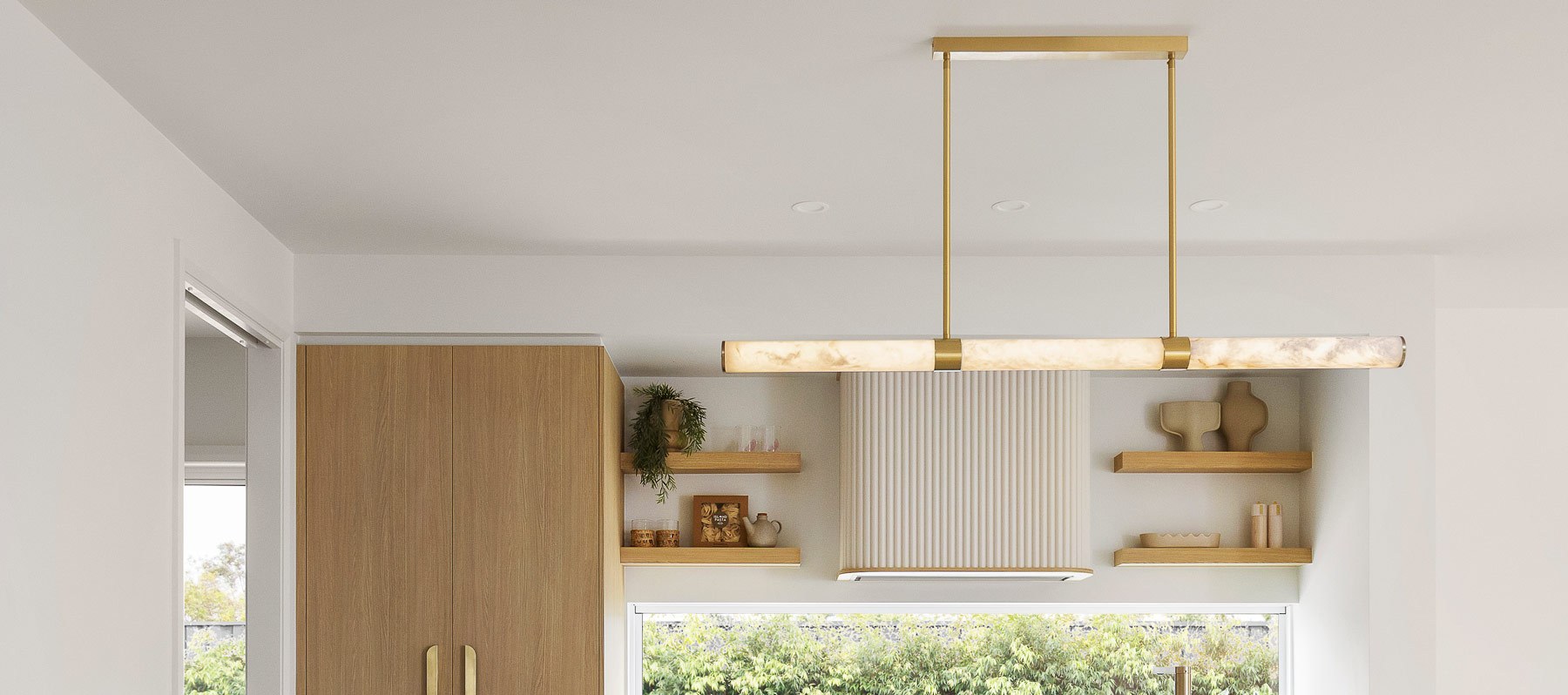
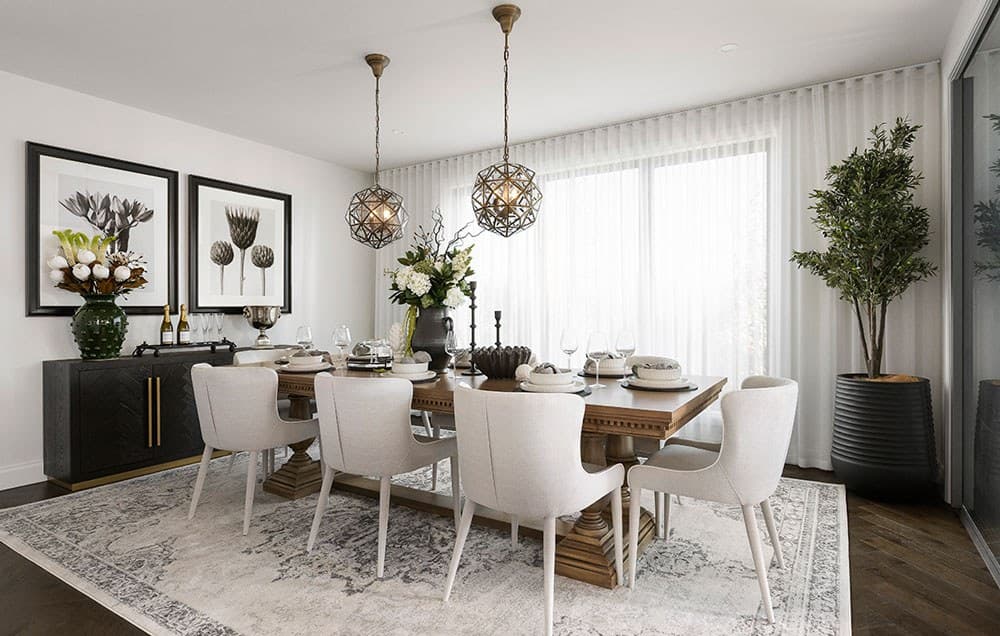
The most on-trend pendant lights in 2026 are sculptural, organic shapes in alabaster, fluted glass, or aged brass. Cold, minimalist black industrial pendants are on the way out. The dominant approach is “lighting as jewellery”; one strong, well-scaled feature per zone, treated like a piece of art.
Matte black still has a place, but it’s no longer the default. Aged brass, antique bronze, and brushed gold have become increasingly popular in Melbourne homes. Mixing one black accent with warmer metals is fine; an all-black pendant scheme is reading as dated.
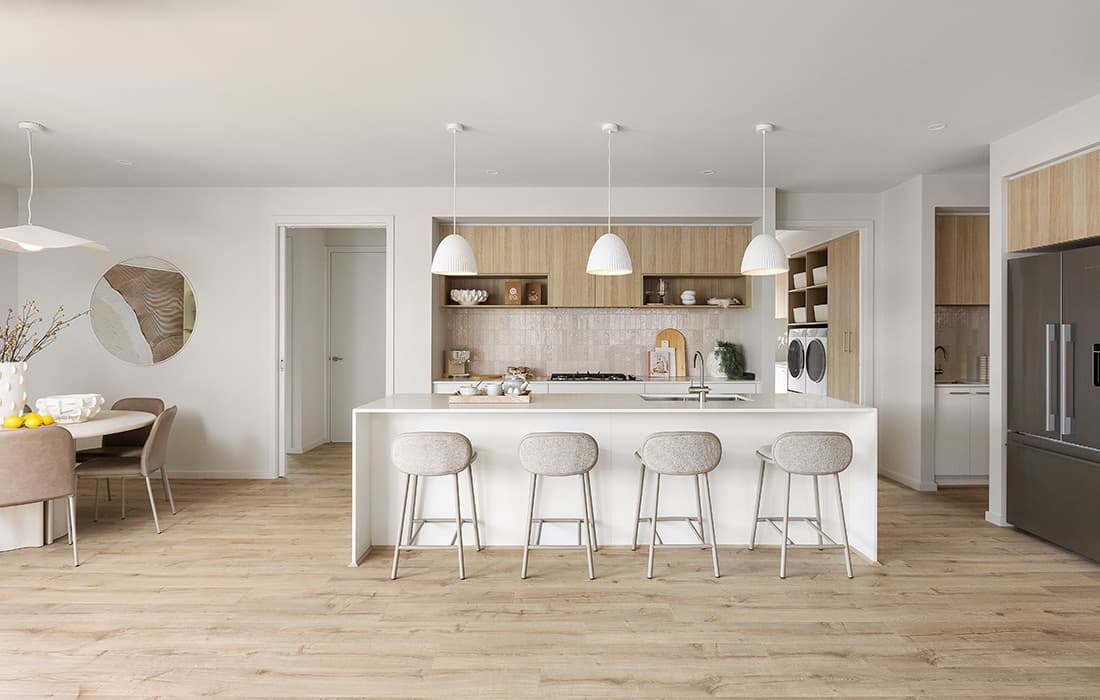
It depends on the island’s length and the pendant scale. Two large pendants over a 2.4m island, three smaller pendants over a 3m+ island, or a single oversized statement pendant placed asymmetrically.
A row of three identical small pendants is the most common overused choice, and worth avoiding if you want the look to age well.
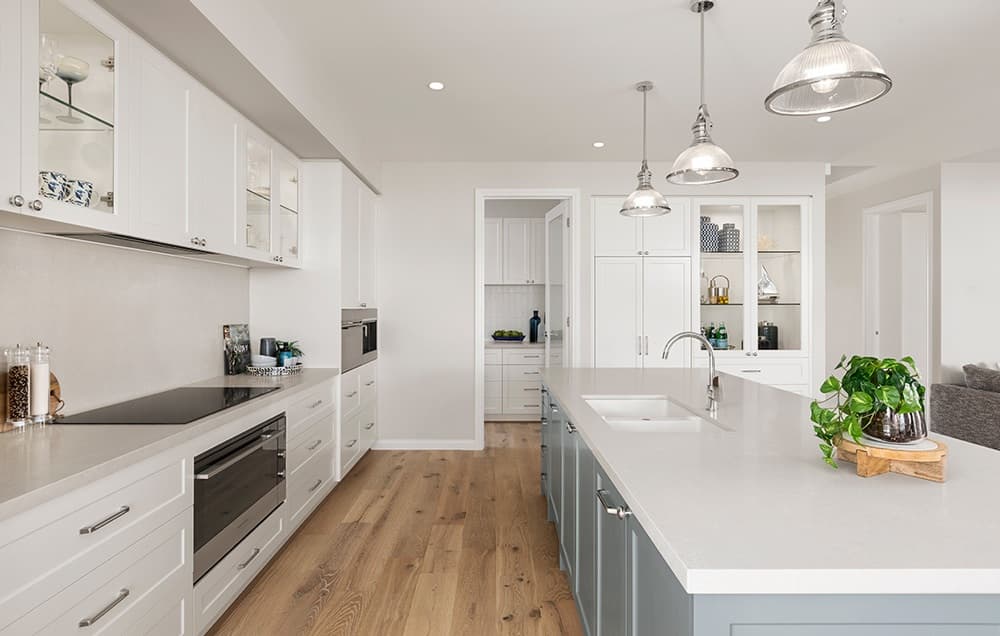
Generally 75 to 90cm above the benchtop, measured from the bottom of the pendant. Adjust based on the ceiling height. Higher ceilings allow for a slightly greater drop; lower ceilings (under 2.55m) require shorter pendants to avoid head clearance issues.
They don’t need to match exactly, but the metal finishes should relate. If your kitchen pendants are aged brass, your bathroom tapware and door hardware should sit in the same warm-metal family. Mixing too many finishes across a room can read as cluttered.
Fluted and ribbed glass has been growing for several years now, and is one of the most durable trends in pendant lighting heading into 2026. The texture is broadly classic; it’s been used in lighting and joinery for over a century, so unlike novelty trends, it’s unlikely to date quickly.
By Susan Daly
Beachwood Homes
31 Mar 2026